
After months of planning, scheduling, and coordinating tasks, you’ve finally reached the last phase of your residential build. But for many home builders, this final stage is the most frustrating.
Small defects, missed details, and incomplete tasks can stall the handover. A single loose fixture or a missing finish item may seem minor, but when they’re poorly tracked or communicated, they can trigger delayed payments and unhappy clients.
When you’re managing tight timelines and multiple subcontractors, a clear construction punch list is key to keeping on top of those final fixes.
By providing a formal list of critical tasks to be completed before project completion, a construction punch list keeps you organized and on track in the crucial final stages of your residential build.
In this guide to construction punch lists, we’ll show you how to create detailed punch lists that keep team members accountable and let you close out every project smoothly.
What is a Construction Punch List, and Why Do Home Builders Need One?
Home construction projects consist of many phases, and the complexity of each varies with the house design and size. That said, no project is complete without a well-managed punch list.
A construction punch list captures all the final details that bring a project to completion, from minor finish corrections to incomplete installations that need attention before handover.
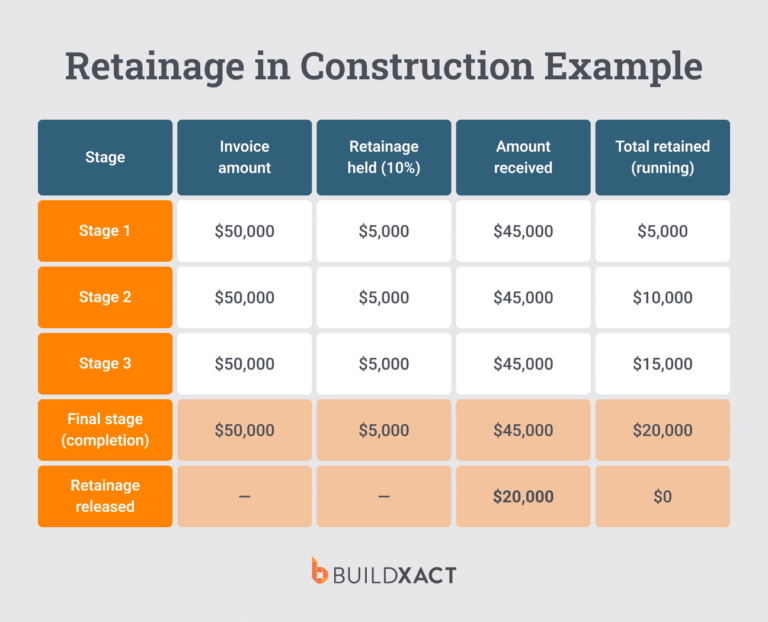
A punch list is key to concluding any successful home construction project. Not only does it ensure homeowner satisfaction, but it can also pave the way for a smooth final payment.
When should you use a construction punch list?
Punch lists are usually created during the final stage of a build, after the main construction work is complete and before the final walkthrough and sign-off. The process starts with an initial walkthrough, during which the project manager, general contractor, and client inspect the site and identify incomplete or faulty items. Then, an itemized document, or punch list, details the tasks to be addressed before the project is considered complete.
Punch lists are sometimes completed in multiple steps, with input from the original designer or architect, to ensure that every room meets the original specifications. No matter the case, effective communication and management are essential to keep these final tasks organized and efficient.
Common punch list items in residential construction
The best punch lists are comprehensive, covering everything from small scratches in recently installed or existing finishes to potentially larger issues, like adjusting the height of storage cabinets or installing the correct kitchen appliance.
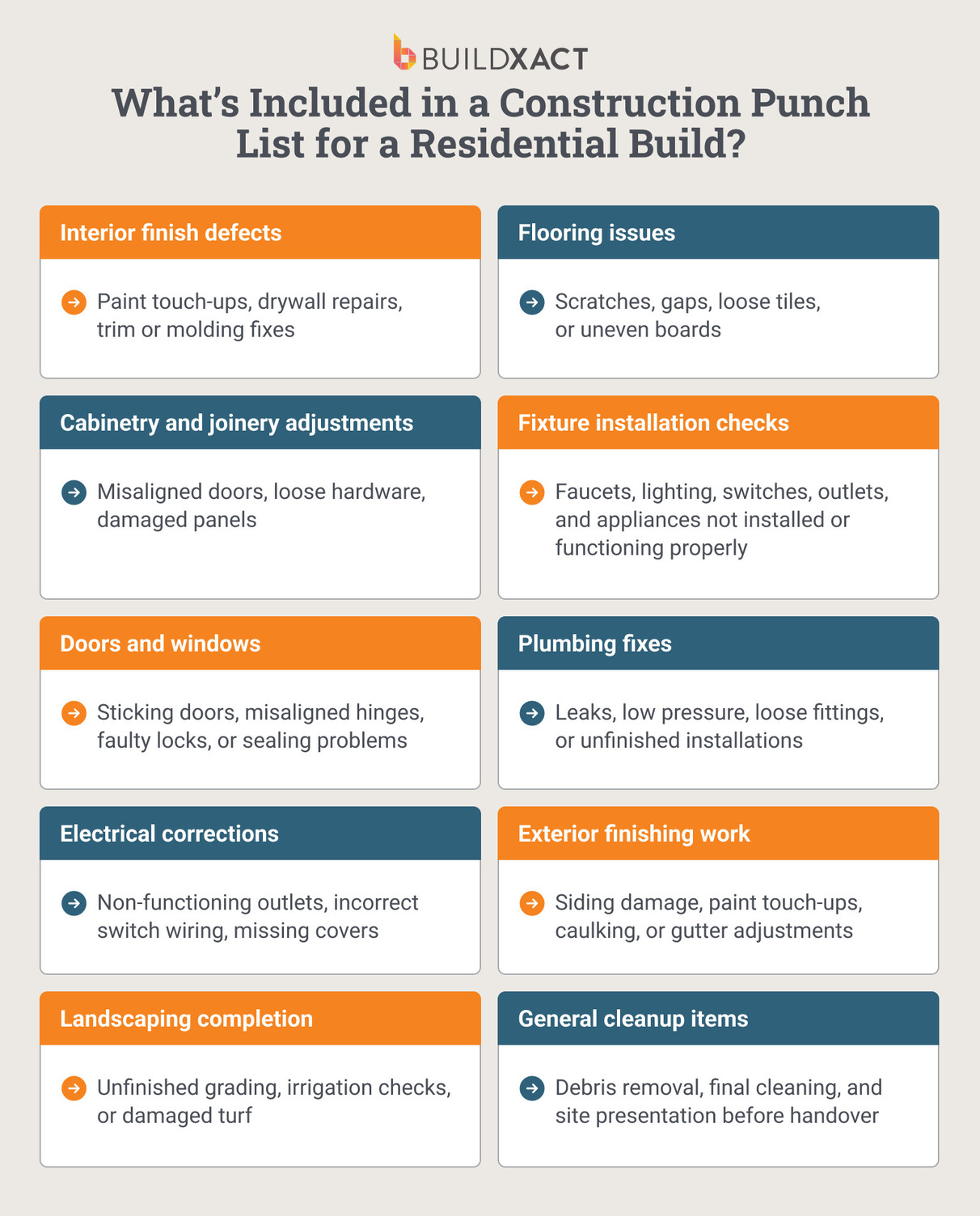
Common punch list items include:
- Interior finish defects — paint touch-ups, drywall repairs, trim fixes
- Flooring issues — scratches, gaps, loose tiles, or uneven boards
- Cabinetry and joinery adjustments — misaligned doors, loose hardware, damaged panels
- Fixture and fitting checks — lighting, switches, outlets, and appliances not installed or working correctly
- Doors and windows — sticking doors, alignment issues, faulty locks, or seals
- Plumbing and electrical fixes — leaks, pressure issues, wiring faults, missing covers
- Exterior finishing work — siding damage, caulking, gutters, or paint touch-ups
Larger work identified by punch lists represents new project phases that require change orders to handle the estimating, scheduling, budgeting and completion of rework.
Because punch lists can tie closely with estimating, change orders, and invoicing, it’s key to have punch list management as part of a larger platform of construction management tools.
Step-By-Step Process For Creating a Residential Construction Punch List
Every item on your construction punch list must be thoroughly documented, including the location, specific issue, and any relevant details. Proper and detailed documentation helps avoid confusion and ensures that each task is added correctly
Team members are assigned responsibilities and deadlines for each task to ensure that all the punch list items are resolved on time for the final inspection and sign-off.
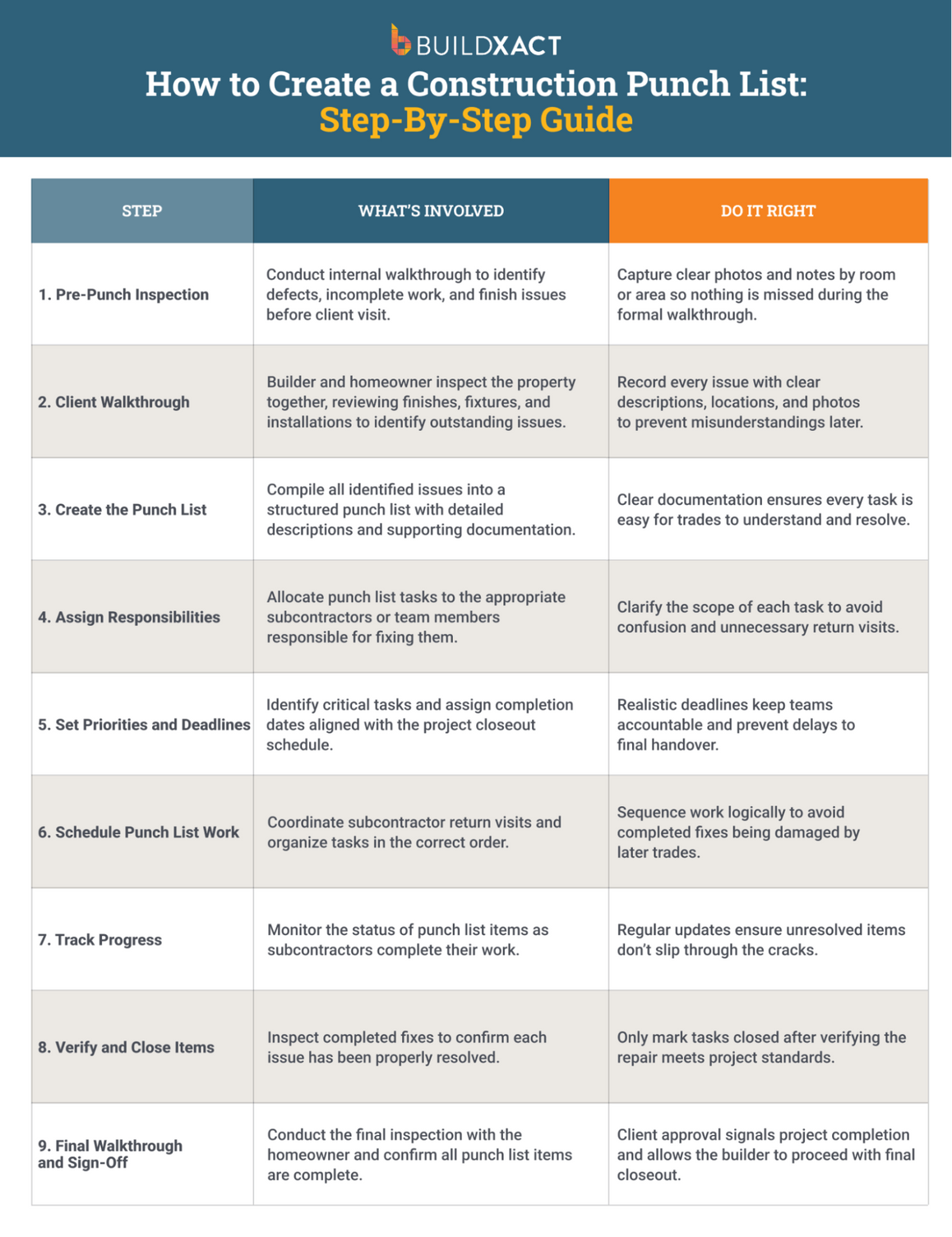
1. Conduct a pre-punch inspection
Before bringing in the client, walk through the site yourself and review each area carefully. Look for incomplete work, visible defects, or finish issues that need attention.
Taking photos and notes as you move through each room means you won’t need to rely on your memory later on.
2. Perform a walkthrough with the client
Next, conduct a walkthrough with the homeowner to review each space together. Check finishes, fixtures, and installations, and document anything that needs to be addressed.
Be sure to keep a clear record of everything identified and discussed so everyone agrees on what needs to be addressed.
3. Create the official punch list
Now it’s time to bring all identified issues into a single, structured punch list. Each item should include a clear description, exact location, supporting photos, and any other important details to complete the work.
This ensures your general contractors and any subcontractors have a central, reliable reference for the closeout phase.
4. Assign punch list responsibilities
Each punch list item should be assigned to the appropriate subcontractor or project team member responsible for the work. Make sure you’re clear about exactly what needs to be fixed and what a completed result should look like.
Clarity at this stage helps reduce delays and avoid unnecessary back-and-forth that holds up project completion.
5. Set priorities and completion deadlines
Review the full list and identify any urgent or critical tasks that need to be addressed first. Set realistic completion dates for each item and align them with your overall project closeout timeline.
Aligning the punch list timeline with the closeout schedule increases the likelihood that the project will be completed within the agreed-upon timeframe.
6. Schedule punch list work
Coordinate when each general contractor and subcontractor will return to the site, ensuring the work is planned in a logical order. For example, carpentry fixes should be made before paint touch-ups.
Proper sequencing helps avoid time-consuming rework and keeps the site running efficiently without overlapping work.
7. Track progress as items are completed
As the work progresses, monitor the status of each task and keep the punch list updated to provide a clear view of which tasks are still open and which have been resolved.
Staying on top of the punch list progress helps prevent any last-minute surprises before the final walkthrough.
8. Verify and close each item
Once tasks are completed, you’ll need to inspect the work to confirm the issue has been properly resolved. Compare the repair against the original punch list item before marking it as resolved.
This step is essential for maintaining quality control, which can help to maintain client satisfaction and avoid repeat visits.
9. Perform final walkthrough and project sign-off
Once all punch list items have been closed, it’s time for the final walkthrough with the homeowner. This is where you’ll confirm everything meets expectations and address any remaining questions.
Once everything’s been signed off, the project can be officially closed out and the final payment processed.
While punch lists are essential for smooth closeouts, they can quickly turn into an administrative nightmare for office staff and onsite team members if not managed correctly. Let’s walk through how to avoid common pitfalls when creating and implementing your construction punch lists.
Punch List Pitfalls: Avoiding the Common Challenges of Construction Punch Lists
At first glance, punch lists can seem straightforward. But this crucial final stage can become extremely time-consuming and difficult to manage without the right processes and digital tools in place.
The larger the home project, the greater the time involved in tracking, assigning, and resolving outstanding items, so it’s important to account for punch list work in your original project estimate.
To manage this stage effectively, many home builders use construction project management software to keep projects organized and running smoothly. Rather than relying on manual lists or disconnected tools, software brings punch list items, timelines, and responsibilities into one place.
Here’s how construction management software can help you address two of the most common challenges when dealing with punch lists.
Incomplete or unclear punch list details
One of the most common issues with punch lists is a lack of detail. When items are recorded manually, they often miss key information such as exact location, clear descriptions, or who is responsible for the work. This creates confusion for subcontractors and increases the risk of incomplete or incorrect fixes.
Vague punch list items slow everything down. Contractors arrive on-site without enough context to complete the task correctly, and additional site visits are needed to resolve the same issue. This can drag out the project closeout phase and delay final handover.
How punch list software can help
Construction management software solves this by standardizing how punch list items are created and shared.
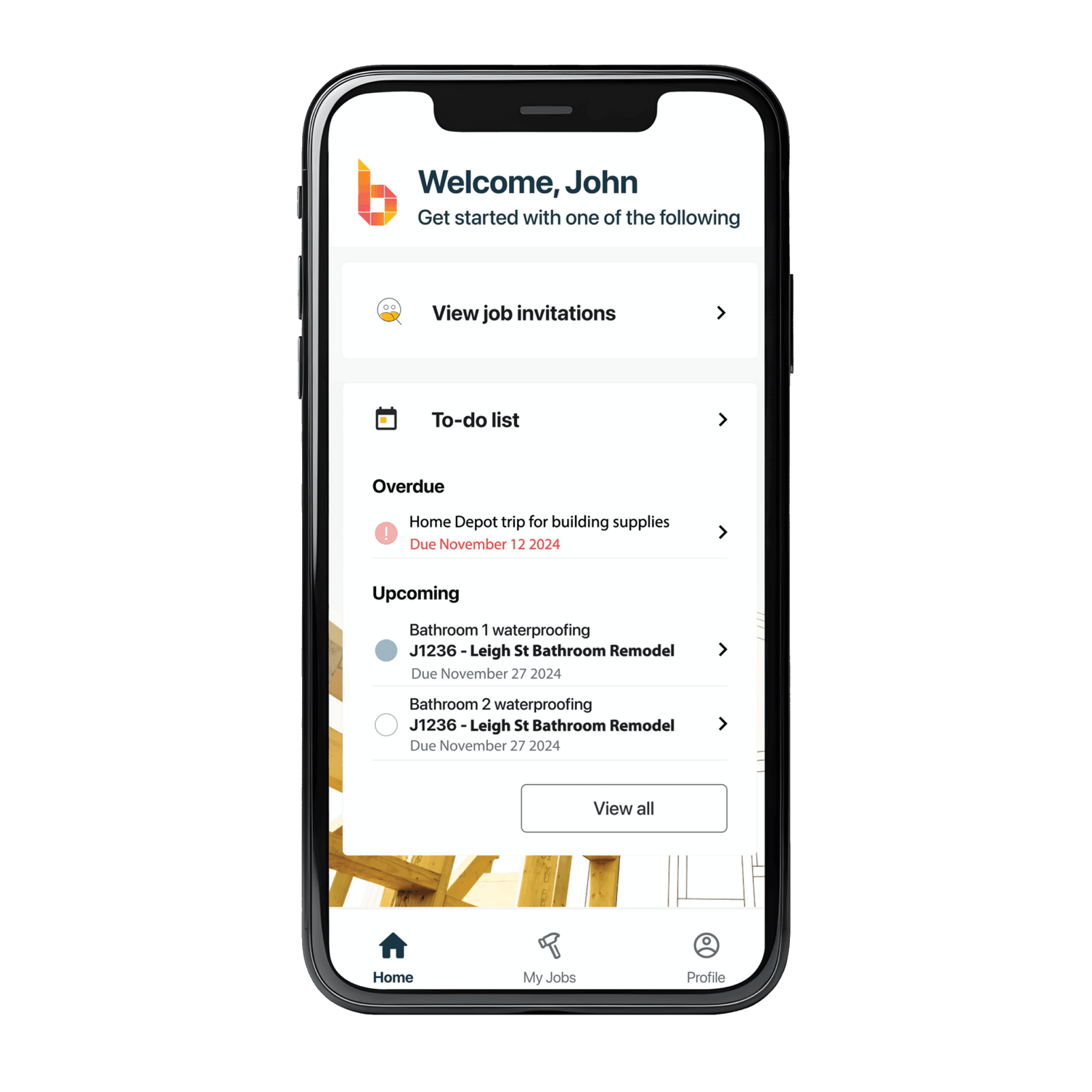
For example, digital task lists with fields for descriptions, responsible team members, task status, and deadlines keep all task-related information in one place, while the ability to attach photos and notes to tasks ensures team members have all the details they need to complete the job.
Poor communication between office staff and site crew
Punch list work often runs into issues when communication isn’t consistent between the office and the jobsite. Tasks are shared across emails, texts, or quick conversations, which makes it easy for details to be missed or misunderstood. As a result, subcontractors may not have a clear view of what needs to be fixed or when.
Without a reliable way to share updates, builders are left chasing progress. Completed work may not be reported, new items may not reach the right people, and teams can end up working from outdated information. This slows down closeout and creates time-consuming back-and-forth as team members seek clarification.
How punch list software can help
A construction management platform keeps everyone connected by bringing punch list communication into one place.
With a tool like Buildxaxt, for example, your office staff and site crews get access to the same digital punch list in real time. Team members can add comments or notes directly to tasks, while updates from the jobsite are instantly visible to those in the office.
Centralized communication and real-time progress updates help keep everyone on the same page and avoid costly (and frustrating) delays.
Construction project management software that’s built around the day-to-day challenges you face – like a lack of visibility into task progress or scattered communication between team members – will allow you to handle the final stage of your projects without any last-minute stress.
Create Stronger Construction Punch Lists with Buildxact
As we’ve seen, managing punch lists manually can lead to costly mistakes. An overlooked job detail or a missed update might be enough to cause serious delays to this all-important last stage of the build.
Construction software like Buildxact is designed to solve the problems that most small home builders struggle with around punch list management. With a clear view of punch list tasks, real-time project updates, and all your project documents kept in one place, it’s easier to close out projects on time and on budget.
Shareable task lists improve job clarity
Buildxact makes it easy to create structured digital task lists that your entire team can use.
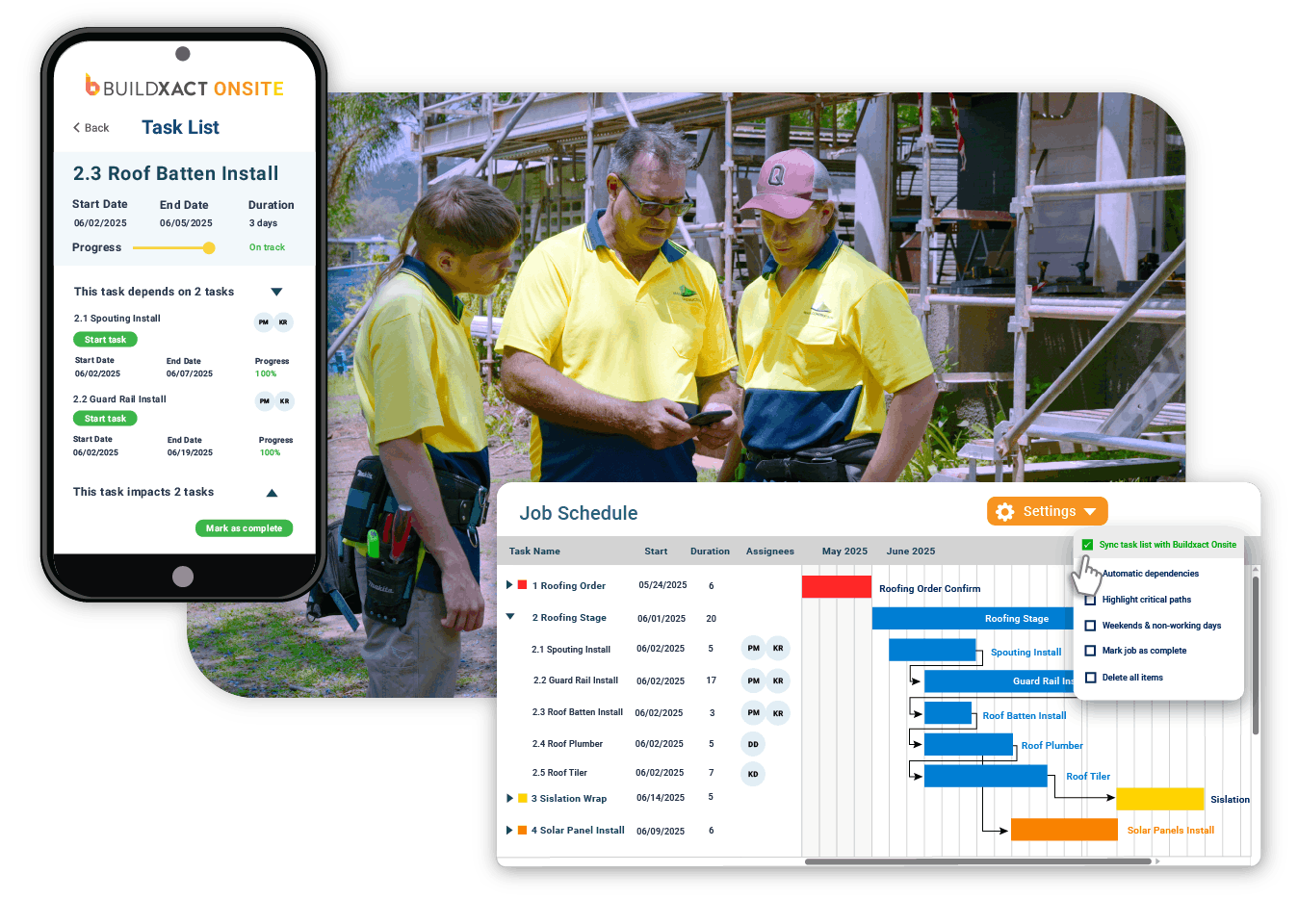
In just a few clicks, builders can generate shareable to-do lists based on key points, like item priority, status, and available team members. This ensures everyone involved knows exactly what needs to be done and when, with all the required information to complete the task correctly.
The Onsite app connects office staff with onsite teams
Another handy feature of Buildxact is that the task lists you create connect with our mobile app, Onsite.
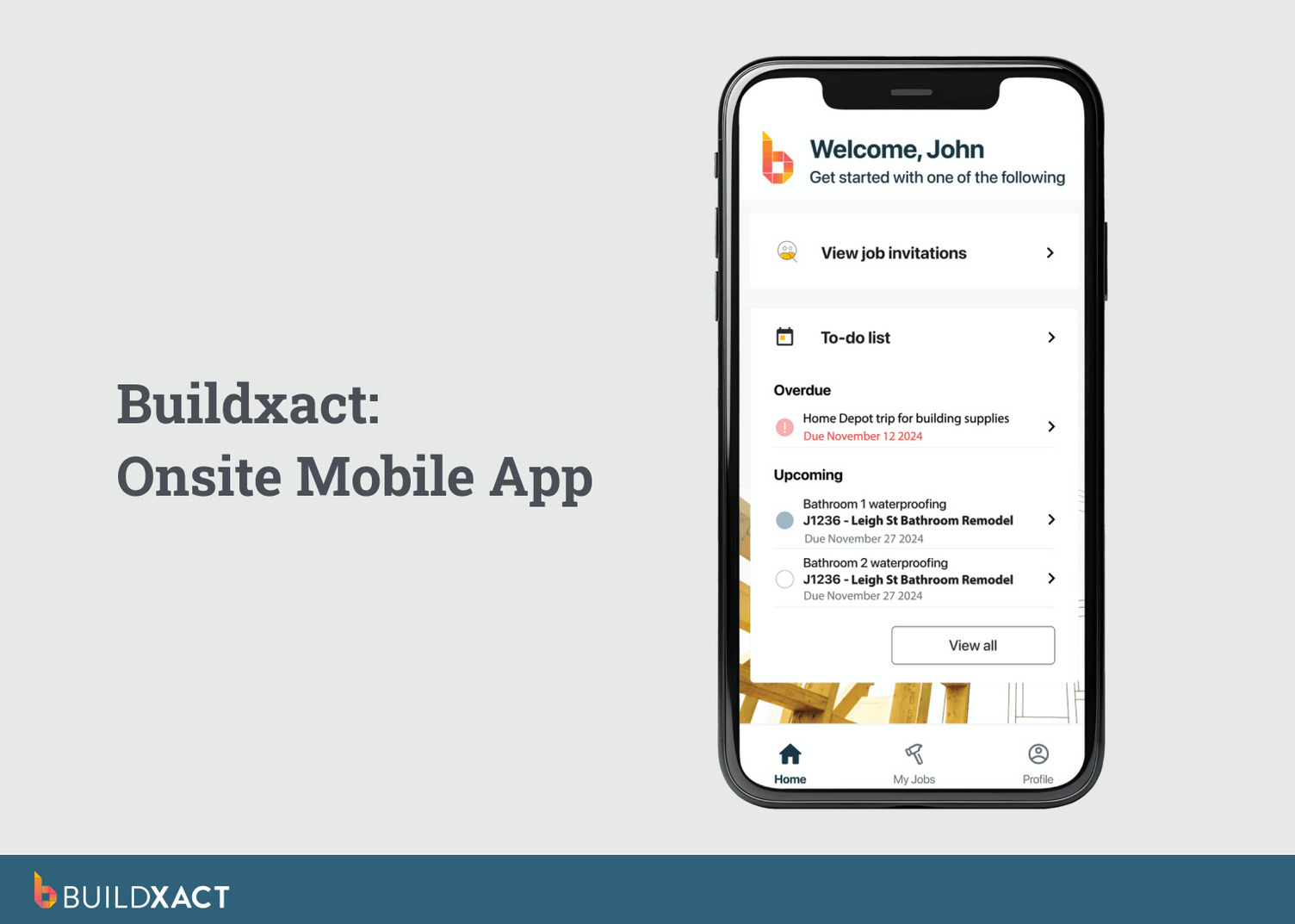
Contractors can update tasks, share progress, and communicate directly from the job site using their mobile device. This keeps information flowing in real time, so you always know what’s happening without having to chase updates.
Centralized document management keeps everything in one place
With Buildxact, all punch list items, photos, and supporting documents are stored in one central location.
This makes it easy for both project teams and subcontractors to access the latest project details, reducing confusion and ensuring everyone is working from the same up-to-date job information.
When the finish line is in sight, the last thing you need is confusion, delays, or repeat visits slowing you down. With the right construction management software, punch list work becomes easier to manage and track – so you can close out jobs smoothly and get paid sooner.
See how Buildxact can help you create punch lists and track your jobs from estimate to completion. Schedule a demo today.
Construction Punch List: FAQs
What is a punch list in home construction?
A punch list is a checklist of incomplete or faulty work that must be addressed before a construction project is considered complete.
Why is a punch list important?
A punch list ensures homeowner satisfaction by maintaining quality control, supports timely payment, and helps ensure that the completed home meets specifications without defects or missing features.
What steps are involved in the punch list process?
The punch list process includes an initial walkthrough, creating the punch list items, assigning responsibilities, setting deadlines, tracking progress, conducting the final inspection, and performing the project sign-off.
How can common pitfalls in punch list management be avoided?
Firstly, you need to accurately estimate the time and materials needed for punch list completion. On top of that, using software and digital tools to streamline your punch list processes saves time and ensures tasks are completed according to specifications.
How does punch list software improve the process?
Construction management software like Buildxact allows you to assign tasks, track progress, and communicate updates between the office and the job site in real time.
What is a rolling punch list?
A continuously updated list that helps address issues weekly to refine construction processes and reduce final punch list items.
How does Buildxact software assist with punch lists?
It integrates punch lists with other project management tools, allowing builders to manage tasks from mobile or desktop devices.